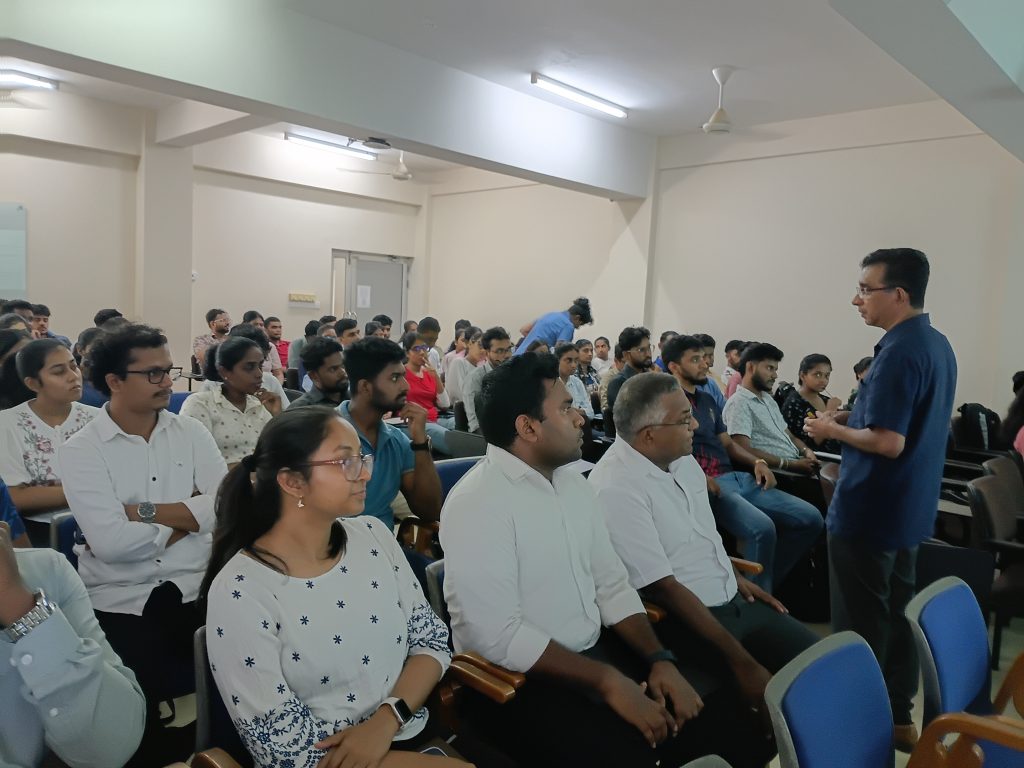
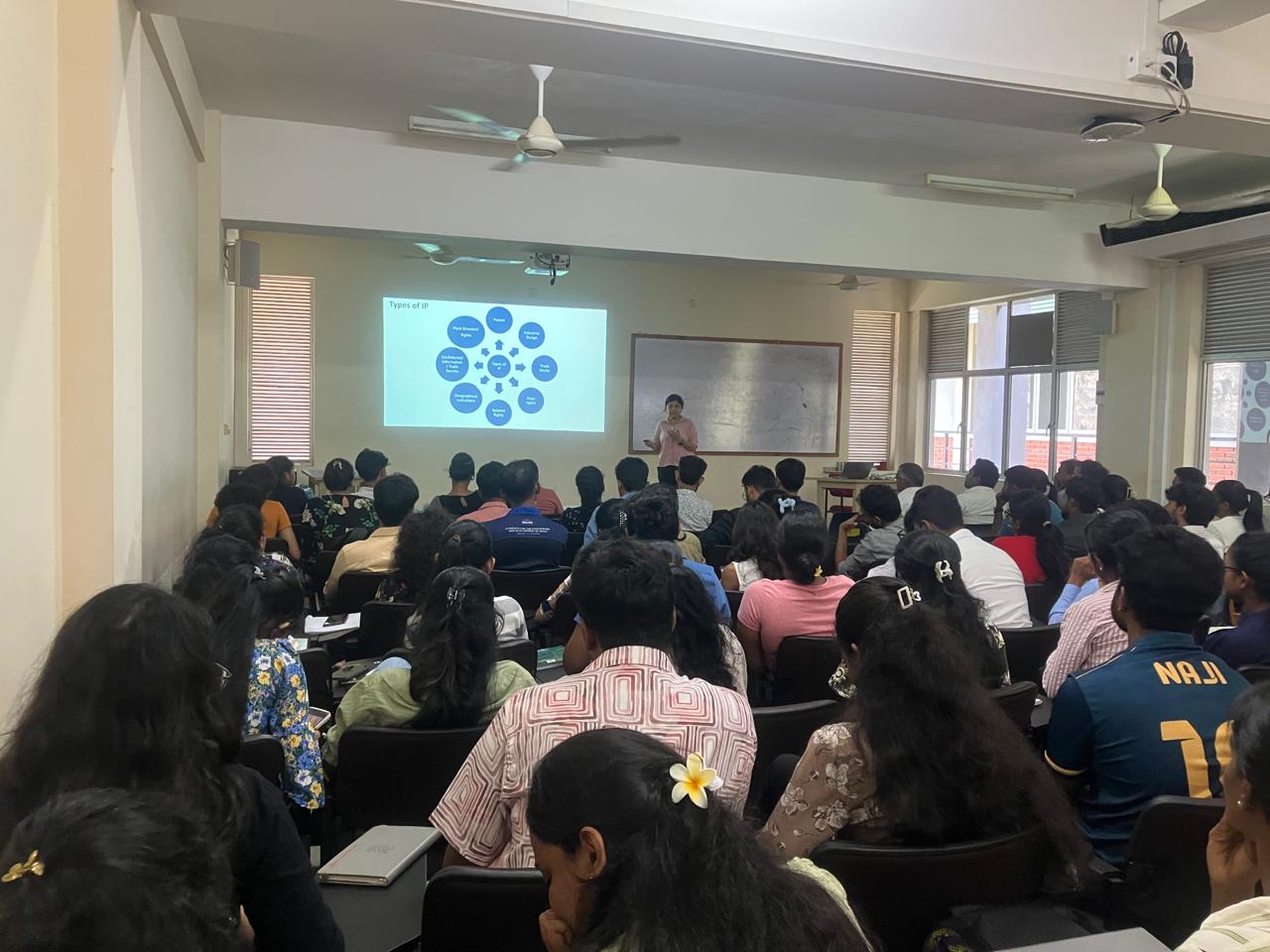
The Enterprise Unit of the University of Moratuwa conducted its second faculty-level awareness programme on 8 September 2026 for students of the Transport and Logistics Management Engineering (TLME) Department, with the participation of academic staff. The programme was held at TLME Room No. 240, with students engaged in the Integrated Capstone Design Project participating in the session.
The two-hour awareness programme was conducted by Dr. Ajith Pasqual, Director/Enterprise, and Ms. Amali Hettige, Manager/Enterprise. The session focused on creating awareness among students on the importance of identifying real-world problems, developing practical solutions, and protecting intellectual property.
A key focus of the programme was encouraging students to look beyond developing a technical solution and to consider the real-world problem, potential users, practical applicability, and commercial or societal value of their innovations from the early stages of their projects. Students were introduced to the importance of identifying genuine problems and developing solutions that have the potential to progress beyond an academic project towards practical application and commercialization.
The session also provided students with a basic understanding of Intellectual Property (IP) and its importance in protecting innovative ideas and solutions. The discussion highlighted how early consideration of IP and commercialization can help students and researchers better position promising innovations for further development and potential market or societal use.
A Q&A session was held at the conclusion of the programme, providing students with an opportunity to clarify their questions and discuss issues related to IP, commercialization, and the development of solutions based on real-world needs.
Through these faculty-level awareness programmes, the Enterprise Unit aims to build a stronger innovation and commercialization mindset among students, encouraging them to identify meaningful real-world challenges and transform their project ideas into solutions with potential social and economic impact.